Category: Customer Care

“Reflections and lessons from behind the desk — in clinics, churches, firms, and more.”

  • The Awkward Side of Office Snack Sharing: Workplace Snacks, Guilt & Cravings

    “Four African colleagues in an office sharing snacks around a table, smiling and bonding over biscuits and nuts during a break.”

    There’s an unspoken tradition in almost every workplace: the magical colleague who always has a stash of sweets, biscuits, or other snack treasures. At first, it feels like a blessing—free sugar boosts, no strings attached! But over time, I discovered the awkward side of office snack sharing. You see, it’s all fun until you start battling gratitude guilt, silent cravings, and the irony of wanting something to stop… only to miss it when it does.


    The Sweet Start of Office Snack Sharing

    It began innocently. My colleague would bring sweets or biscuits and generously pass them around the office. I always appreciated it—who doesn’t love a surprise snack during a dull workday? It was like having an unofficial office “snack fairy,” sprinkling joy one bite at a time.

    But then reality hit: I realized I was always on the receiving end. I couldn’t match her snack game. Whenever I offered something, she’d politely decline. Suddenly, I felt like that friend who always borrows a pen but never returns it.


    When Gratitude Turns into Guilt

    Here’s the thing about the awkward side of office snack sharing: it sneaks up on you. At first, you’re just happy. Then you start calculating. How many sweets have I eaten this week? What have I given back? Do I now owe her biscuits?

    It’s like being in an unspoken snack economy where I had nothing to offer. And honestly, when she finally stopped sharing, I thought I’d be relieved. After all, wasn’t I secretly hoping for it to end?

    But no. The moment the sweets stopped, my taste buds went on strike. I heard even the faintest crinkle of a wrapper near her desk, and suddenly I was salivating like Pavlov’s dog. Worse, I found myself sneaking to the shop just to satisfy the cravings I’d sworn I didn’t need.


    Be Careful What You Wish For

    Isn’t that just like life? We pray for something, long for it, and when it finally arrives, we don’t know how to handle it. I wanted the snack sharing to stop so I could stop feeling awkward. But once it did, I missed it.

    It hit me: how often do we ask for opportunities, relationships, or even jobs—only to resent them when they finally land? We’re wired to wrestle with contradictions.

    👉 If you’ve ever had a door open for you and felt overwhelmed by it, you’ll relate to this post: When Opportunity Knocks in Life: A Lesson in Service.


    The Surprising Science of Why Snacks Matter in the Workplace

    Office snacks aren’t just idle munchies—they can boost productivity, uplift the workplace vibe, and even save you money.

    • A ZeroCater study found that 88% of employees consider snacks an important perk, ranking them alongside paid vacation and development programs. 65% say healthy snacks help them stay well, and 76% see them as a cost-saver. Read more here.
    • Shortlister’s report highlights that 56% of employees experience an energy slump without an afternoon snack, and 41% wouldn’t take a job that offers fewer food perks.
    • Blogs from Culligan Quench underscore how easy access to snacks improves focus, wellness, and encourages healthier choices. See their insights here.
    • ZeroCater also notes that food perks strengthen company culture and retention. See their survey here.

    When You Pray for It to Stop, Then Miss It Madly (Funny but True)

    Classic human irony: I wanted snack-sharing to end so I wouldn’t feel guilty. But when it finally did, I became a “wrapper detective,” hounding every sound near her desk. “Why did the snacks stop? Was I not fun enough?”

    Yes, I even snuck out mid-day for the same biscuits… sometimes logic just doesn’t stand a chance.


    A Health Check on Office Snacking

    Snacking isn’t only about sugar highs. Research shows sugary candies can spike dopamine—but also lead to stress and sugar crashes. Healthier options like fruits and nuts, however, reduce anxiety and sharpen focus.

    So maybe a balanced, thoughtful snack stock is the real win.


    Why Sharing Food Shapes Relationships

    On a psychological level, sharing food does more than fill your belly—it builds bonds.

    • A Dartmouth study notes that sharing food carries deeper weight than sharing non-food items because it conveys nurturance, trust, and emotional connection.
    • The World Happiness Report also shows that sharing meals correlates with higher subjective well-being—greater life satisfaction, more positive emotions, and fewer negative ones.

    When we share food, we’re not just enjoying calories—we’re sharing comfort, creating trust, and forming memories.


    When Sharing Snacks Becomes Awkward

    Sharing food can stir subtle social complexities:

    • The Giver’s Dilemma: Do I bring enough for everyone or risk leaving some colleagues out?
    • The Receiver’s Dilemma: How many snacks are socially acceptable before I look greedy?
    • The Silent Observer: That one person who silently judges the snack frenzy from the sidelines.

    This is the awkward ballet of office snacking—messy, human, and entertaining.


    Finding a Balance (and a Biscuit)

    So how do you navigate the guilt, cravings, and humor of snack sharing? Here’s a sweet solution:

    • ✅ Accept Generosity Gracefully – “Thank you” can be powerful.
    • ✅ Reciprocate Differently – If biscuits fail, kindness, teamwork, or a listening ear always work.
    • ✅ Carry Your Own Stash – Snack independence saves sneaky shop runs.
    • ✅ Laugh it Off – Humor makes awkwardness bearable.

    👉 Want more on subtle social navigation? Try Customer Etiquette at the Front Desk.


    Snacks, Routines & Life Lessons

    This snack saga made me rethink routines. Just like a good snack uplifts your day, tiny rituals can fuel your mindset.

    👉 For routines that energize beyond sugar, check out Boost Your Morning Routine.


    Outbound Snack Love

    Feeling snack-inspired? Here are two great reads:


    Affiliate Snack Picks 🍪

    Make your desk a happier place with these snack essentials:


    Wrapping It Up (Pun Intended)

    At heart, the awkward side of office snack sharing is a tale of human contradictions: needing kindness but feeling guilty accepting it; fearing change yet mourning its absence.

    The lesson? Life—like biscuits—gets sweeter when we accept generosity with grace, laugh at our quirks, and find our own way to give back.


    Call to Action

    What’s your funniest or most awkward office snack sharing moment? 🍪 Share it in the comments—or send it my way. I can’t wait to laugh with you over your snack sagas!

    👉 And don’t leave empty-handed—stock up your own snack stash from the links above for your next office moment.
  • The Old Lady With Skin That Glowed: Healthy Skin Habits

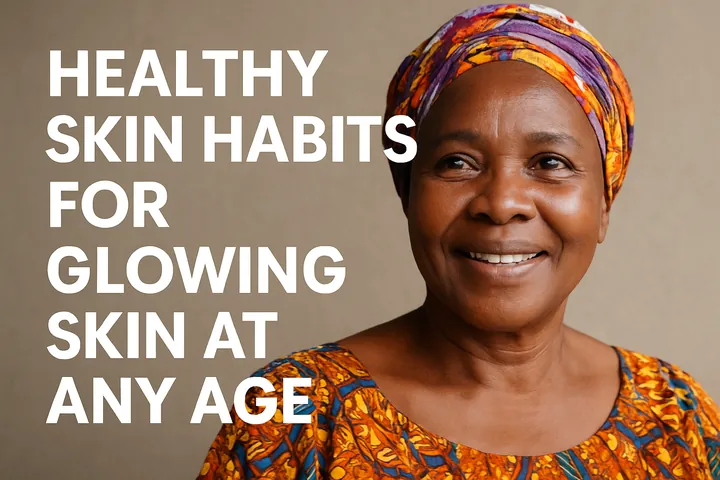
    "Elderly African woman with healthy glowing skin, symbolizing simple healthy skin habits for timeless beauty."

    The other day, I met an old lady who must have been in her seventies. What struck me wasn’t her age, her slow but steady walk, or the soft laugh lines around her eyes. What stood out—almost glowed—was her skin.

    Her face radiated health. Not in the artificial, filtered way we often see on screens, but in a natural, almost timeless way. Her skin was smooth, firm, and remarkably youthful for someone her age. I couldn’t help but wonder: what was her secret? It made me think deeply about healthy skin habits for glowing skin at any age and whether I was practicing them myself.

    A Lifetime of Simple Habits

    As we spoke, I realized her healthy skin wasn’t the result of expensive creams or salon treatments. It came down to years of simple, consistent habits: drinking water, eating natural foods, resting well, and keeping stress at bay.

    Her skincare routine was as simple as washing her face, using natural oils, and never skipping these basics. No complicated bottles. No ten-step routines. Just steady discipline.

    My Own Reflection

    Looking at her, I couldn’t help but reflect on my own skincare journey. I know I should drink at least eight glasses of water a day, yet the discipline for that is a tall order—not to mention the many run-ins to the bathroom that come with it!

    It made me ask myself: what am I not doing consistently that could show in my skin years from now?

    I also remembered a moment years ago when I worked as a receptionist at a clinic. A man came in with his aged mother, and her skin looked timeless—smooth, hydrated, and firm. I got curious and asked her the secret. With a warm smile, she simply said:

    “I eat lots of indigenous green vegetables.”

    Those two encounters reminded me that radiant, glowing skin often comes from discipline, healthy habits, and choices that seem small but add up over time.

    Lessons From Glowing Customers

    Interestingly, these women didn’t just inspire me about skincare—they also reminded me of customer service lessons. Here’s what we can learn:

    1. Consistency Builds Trust

    The lady with great skin never skipped her habits. In business, showing up consistently for customers creates the same glow in relationships. A simple call-back, a consistent greeting, or honoring your word goes a long way.

    2. Keep It Simple

    She didn’t complicate things with a 10-step routine. Customers too value clarity. Sometimes all they want is for their issue to be solved quickly, with no unnecessary hoops to jump through.

    3. Nourishment Matters

    Skin glows when nourished from within. In customer care, true satisfaction comes when you address the root problem, not just surface issues. A refund, a replacement, or an honest explanation nourishes customer trust.

    4. Longevity Comes From Care

    Decades of self-care showed up on her face. Years of consistent service build customer loyalty, referrals, and long-term relationships that become your strongest business asset.

    Healthy Skin Habits for Glowing Skin at Any Age

    Now, let’s talk about practical steps for you and me. If you’re looking to improve your skin’s health, here are some timeless habits:

    1. Hydration is Non-Negotiable

    Drinking water keeps your skin hydrated, flushes toxins, and improves elasticity. Yes, the bathroom breaks are many—but your skin will thank you.
    💧 Try carrying a refillable water bottle like this Amazon bestseller to keep track of your intake.

    2. Eat Your Greens – Especially Indigenous Ones

    Vegetables like managu, kunde, terere, and spinach are rich in vitamins and antioxidants. They fight free radicals and keep your skin youthful.
    🥬 You can shop for them at your local Kenyan markets or get organic greens from Greenspoon Kenya.

    3. Sleep Well

    Your skin repairs itself at night. Skimping on rest shows up in dark circles, dullness, and early wrinkles. Aim for 7–8 hours of quality sleep.

    4. Gentle Cleansing

    Cleansing removes dirt, oils, and pollutants that clog pores. Don’t go to bed with makeup or sunscreen still sitting on your skin.
    🧴 A good option is the CeraVe Hydrating Cleanser (Amazon) or aloe vera cleansers from Kenyan stores like Healthy U.

    5. Natural Oils and Moisturizers

    For decades, African women have used coconut oil, shea butter, and castor oil. These natural moisturizers keep skin supple and nourished.
    🌿 Locally, you can find them at Purpink Kenya.

    6. Occasional Facials

    Facials deep-cleanse, exfoliate dead cells, and rejuvenate skin. Even one professional facial every two months can make a difference.

    7. Protect Your Skin

    Sun exposure is both friend and foe. While vitamin D is important, harsh UV rays accelerate aging. Use a lightweight sunscreen daily.
    ☀️ A recommended option is Neutrogena Ultra Sheer Dry-Touch.

    Affiliate Picks – Skincare Essentials

    Here are some hand-picked products to consider if you want to build your routine:

    Internal Reflections

    For more tips on nurturing healthy routines, check out my post on Boost Your Morning Routine. If you’d like to explore the connection between inner wellness and outward glow, you may enjoy Faith Expressing Itself Through Love. You can also read my earlier reflection here: A Season of Lessons.

    The Bigger Picture

    This encounter with the old lady reminded me that beauty is not just about what we see. It’s about the small, daily disciplines that compound into long-lasting results—whether in skincare, personal growth, or customer care.

    If her skin could reflect years of discipline, maybe our customers too can reflect years of care—in loyalty, referrals, and trust.

    At the end of the day, glowing skin and glowing relationships are both built the same way: with patience, care, and consistency.

  • How Faith and Job Loss Shaped My Journey in Kenya

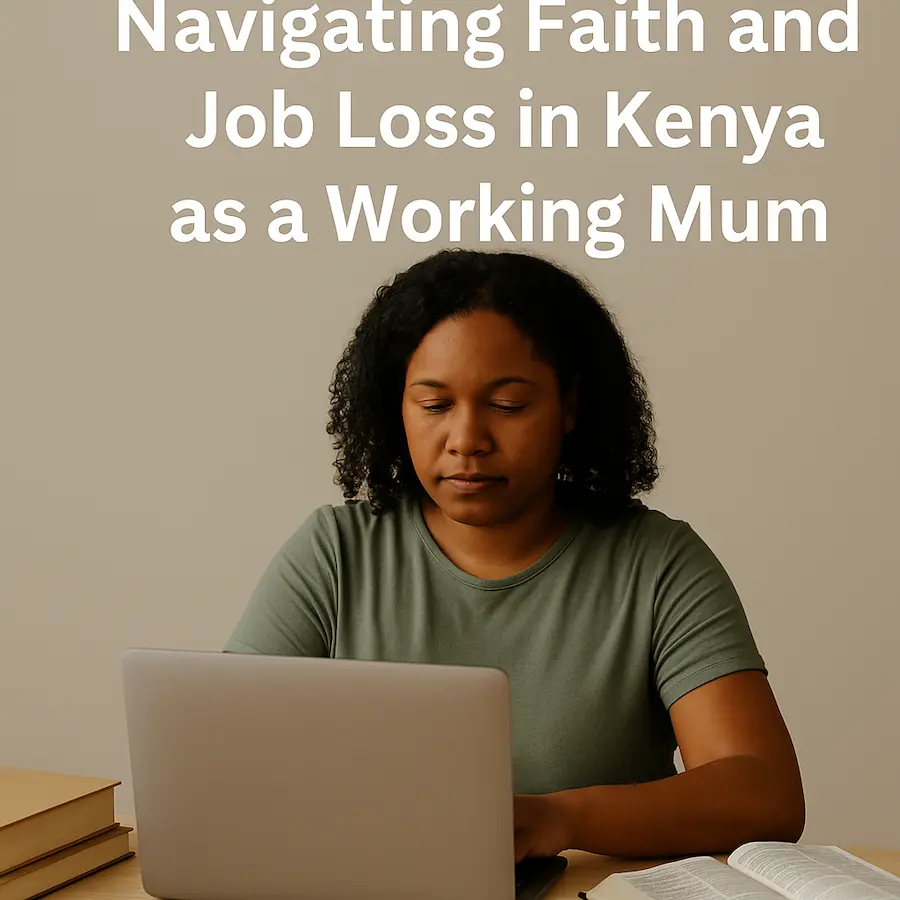
    “A reflective Black woman looking at het laptop, representing faith and job loss in Kenya, single motherhood, and starting over.”

    There are moments I look at my career journey and laugh—not because it was funny, but because if I don’t laugh, I’ll cry. Maybe you’ve been there too: jobs started with fire in your belly, only for reality—or life—to rewrite your script. Mine is a tale of bold moves, awkward exits, and the unplanned twists of motherhood and faith. It’s about navigating faith and job loss in Kenya as a working mum—sometimes with grace, other times with nothing but raw hope. And it all began with books.


    The Job I Quit After Reading Rich Dad Poor Dad

    I was working in a microfinance institution, doing what many call “decent work”—a steady paycheck, clean office, polite clients, and the predictable rhythm of 8 to 5. But something had started to burn in me. I was fired up, not by a boss or a bonus, but by a book: Rich Dad Poor Dad by Robert Kiyosaki and Donald Trump.

    That book made me question everything. Why was I stuck exchanging time for money? Why was I clocking in and out while ignoring the dreams bubbling inside me?

    So, I did what no one expected—I resigned.
    Yes, I quit a Christian-based microfinance job without another job lined up, simply because I believed there was more for me out there. The job had been good to me, and it was grounded in Christian values that I deeply respected, but my soul had started itching for something else. I wanted freedom. I wanted to bet on myself.

    Was I scared? Absolutely.
    Was it the right move? Time would tell.

    ➡️ Read more: The Bumpy Road to Self-Employment

    📘 Recommended Book:


    A Church Job I Loved — Then Lost: Navigating Motherhood and Job Loss in a Christian Workplace

    Five years later, after many in-between gigs and a lot of soul-searching, I landed a job as a church secretary in my home church. This was more than employment—it was purpose. I was a single mum by then, juggling motherhood and ministry. The role fit like a glove. I served with joy, handled confidential matters with grace, and walked with people through prayer, paperwork, and everything in between.

    Those years healed something in me. I rediscovered the joy of showing up for others. The church felt like family. My son had a stable routine. I had purpose again.

    But life had another plot twist coming.

    Eight years into the job, baby fever hit. My son’s father, long absent, re-entered the picture. And soon, I was pregnant again.

    You’d think this would be a full-circle story—reconciliation, restoration, and new beginnings.

    Instead, it became the beginning of the end of my church job.

    The church leadership was torn. On one hand, I had served faithfully for nearly a decade. On the other, I was now pregnant out of wedlock—a difficult situation for a church built on certain moral and doctrinal expectations. I understood their position. I didn’t agree with it, but I understood.

    There were no harsh words. No drama. Just disappointment wrapped in silence. The kind that seeps into your bones.

    And just like that, I was jobless again.

    ➡️ Also read: Blogging With Zero Motivation in Kenya

    🧠 If you’d like insight into Kenya’s blogging community and support for creators, check out the Bloggers Association of Kenya (BAKE) for training and awards Wikipedia.


    Finding Healing Through Words: Blogging After Job Loss and Motherhood in Kenya

    Losing the church job broke something in me. It felt personal. After all, this wasn’t just a workplace—it was a spiritual home. My identity had been so tied up in that desk, that email signature, that routine of service.

    But with heartbreak comes clarity.

    I had to find a new way to show up in the world. For myself. For my children.

    That’s when I began seriously writing again. Not just journaling. Not just Facebook rants. But actual, consistent, reflective writing. I started my blog—Lobby Reflections—as a way to process my journey. The lobbies I’ve sat in, the desks I’ve served behind, the customers I’ve handled, the jobs I’ve loved and lost. The motherhood moments no one prepared me for. The quiet prayers. The awkward silences. The crazy decisions.

    It all had to mean something.

    Blogging became my new outlet. And slowly, my voice came back.

    “A Black woman sits alone in her living room with a laptop and book, reflecting deeply—capturing the emotional weight of faith, job loss, and motherhood in Kenya.”

    You know what’s funny? The very book that made me quit my job (Rich Dad Poor Dad) didn’t give me a formula for how to survive after the resignation. The fire it started didn’t come with a fire extinguisher.

    But I don’t regret quitting that microfinance job. Not for a minute.

    Sometimes you must walk away from comfort to find clarity.

    Sometimes you lose a job not because you’re reckless, but because life doesn’t always move in straight lines—especially when faith, job loss, and motherhood in Kenya collide.

    ➡️ Read: My Blogging Journey: From Reader to Writer After 20 Years in Customer Care

    If you’re wondering how to start and earn from blogging in Kenya, guides like How to Start a Blog and Make Money Online offer solid beginner tips and monetization ideas MediaForce Communications.


    What I Know Now

    1. Jobs don’t define us – They shape seasons of our lives, but they aren’t our entire story.
    2. Motherhood will mess up your plans – And sometimes, it’s the best thing that ever happened to you.
    3. Faith and failure can coexist – You can love God and still lose jobs. You can serve faithfully and still face rejection. It doesn’t make your journey less valid.
    4. Books can change your mind – But only you can change your life.
    5. Blogging is my healing – And my rebellion. A quiet act of resistance against invisibility.

    🧡 Final Word

    It takes courage to walk away from a job because of your convictions. Even more, it takes strength to process the quiet heartbreak of losing work in a place that once felt like home. And when motherhood, faith, and job loss collide, starting over isn’t just difficult—it’s deeply personal.

    Yet despite the fear, I chose to speak.
    I chose to share.
    Because someone out there needs to know they’re not alone.

    This is my story. What’s yours?


    📢 Call to Action (CTA)

    If my journey resonates with you—whether through job loss, faith struggles, or motherhood—join this community.

    Let’s Connect
    This journey of faith, job loss, and starting over isn’t one I walk alone—and neither should you.
    👉 Follow more reflections and real-life stories on Lobby Reflections Blog
    👉 Join the conversation on Facebook
    👉 Or connect with me professionally on LinkedIn

    Your story matters. Let’s keep the conversation going.

  • Spark Camp Chuka: Youth Empowerment & Leadership Unleashed

    “Spark Camp Chuka 2025 official poster featuring event details for teens and parents focused on leadership, digital awareness, entrepreneurship, and mental health.”

    When it comes to nurturing tomorrow’s leaders, few events are as timely and impactful as Spark Camp Chuka for teens. This transformative program brings together young people from diverse backgrounds to explore leadership, digital awareness, mental health, and more in a safe, engaging space.

    More than just a holiday activity, this event is a lifeline. It’s an invitation for teens to rediscover themselves, build new relationships, and gain skills that will matter for life. In this post, I’ll share why I’m enrolling my 12-year-old son and why Spark Camp Chuka Edition might just be the turning point your teen needs.


    What’s in It for You and Your Teen

    1. Unlocking Potential and Leadership Skills

    Today’s teens are smart, intuitive, and full of possibility. But potential needs the right environment to flourish. Spark Camp offers interactive sessions and activities that help young people tap into their inner strength and explore their leadership identity.

    With mentors and facilitators guiding them through practical exercises, group challenges, and real-life problem-solving, your child won’t just hear about leadership — they’ll live it.

    2. Peer Pressure & Informed Choices

    Every parent worries about negative peer influence. Spark Camp creates a safe space where teens can unpack real peer pressure situations and discuss healthy coping strategies. Instead of facing these pressures alone, your teen gets tools to make informed, confident choices.

    Programs like 🔗 Peer Pressure: How to Deal With It – from KidsHealth.org, a trusted resource for teen mental and emotional health show that conversations and exposure to alternative perspectives empower teens. Spark Camp takes that conversation further — in person, through experience.

    3. Technology & Digital Awareness

    From TikTok to gaming, the digital world is shaping how our kids think and act. Spark Camp doesn’t demonize technology. Instead, it promotes digital literacy and responsibility, helping teens navigate online life without losing sight of their values or safety.

    Workshops and group discussions will highlight both the opportunities and dangers of being constantly online — a topic that’s also covered in global platforms like Social Media, Social Life: Teens Reveal Their Experiences and echoed in parenting circles worldwide.

    4. Career Guidance & Youth Entrepreneurship

    Asking a 13-year-old what they want to be might seem early, but the truth is — exposure at this age opens doors. Whether your teen dreams of medicine, tech, art, or business, Spark Camp introduces them to career possibilities they may not hear in school.

    Better still, sessions on youth entrepreneurship will awaken their inner creator. Maybe your child has an idea that could turn into a business one day. Or maybe they’ll just learn how to think outside the box. Either way, they win.

    And if you’re already looking for useful tools to start this journey at home, check out these Amazon affiliate resources:

    5. Mental Health & Resilience Strategies

    Emotional resilience is one of the best gifts we can offer our children. This camp addresses mental health in a non-intimidating, relatable way, equipping teens with coping skills, self-care habits, and safe channels to express themselves.

    From journaling exercises to group sharing, teens will see that it’s okay not to be okay — and more importantly, that they’re not alone.

    6. Building Strong Friendships & Positive Influence

    The friendships your child forms now can shape their future character. Spark Camp is designed to foster meaningful interactions — not just quick likes or follows.

    Group sessions, team challenges, and downtime are all structured to build trust and connection. For shy kids or extroverts alike, this is a chance to grow their social muscles in a supportive, structured environment.

    As a parent who’s also learning how to become more confident in social spaces, I find this particularly powerful. In fact, I wrote about facing fears and showing up despite discomfort here: Take the Leap of Becoming Afraid.


    Why I’m Involved — As a Blogger and a Parent

    This is more than just a blog post for me. I’ll be attending the event myself, capturing stories and moments, and hoping to share them with you — my readers — in a post-event feature.

    What makes this especially meaningful is that I’ll also be enrolling my son. I want him to experience the personal growth, connection, and fun that Spark Camp promises. And I want to be there, quietly cheering him on and growing right alongside him.


    Final Thoughts: Spark Camp Is Not Just for Kids

    Yes, it’s a camp for teens — but it’s also a reflection of where we are as a generation of parents. Are we willing to give our children the tools to thrive, not just survive?

    Spark Camp (Chuka Edition) is happening August 6th–8th, and I truly believe it could be the beginning of something beautiful — for your child and for you.

    If you’ve been unsure whether this is the right kind of program, I hope this post gives you clarity.

    Let’s grow together.


    📌 For more inspiration on showing up even when scared, check out: Take the Leap of Becoming Afraid

    🔗 Affiliate Reads to Explore Together:

    Ready to Take the Leap?

    If you’re a parent or teen near Chuka, this is your moment. Don’t miss the chance to be part of a transformative weekend! Spark Camp is more than an event — it’s a mindset shift.

    Register now.
    Tag a friend who needs this.
    Reach out for more details — let’s connect!


    💬 Let’s Talk!

    Have questions, thoughts, or stories about parenting or youth empowerment?
    👉 Leave a comment below
    👉 Share this post with your circle
    👉 Or WhatsApp me directly: 0746 011448

  • Managing Business Finances: Discipline Over Intention

    "Kenyan currency beside a mobile phone displaying a budgeting app, symbolizing simple business finance management."

    When you start a business, one thing becomes clear quickly: knowing is not the same as doing. You can read finance books, follow business coaches, and save every budgeting hack on Instagram. However, until you take action, all that knowledge stays unused.

    When it comes to managing business finances, there’s no shortcut. You must act on what you know—and not just once, but every day.

    I share this from personal experience—not as a financial expert—but as someone who has faced failed ventures, tight months, and hard-earned lessons. In fact, you can read more about one of those seasons in The Bumpy Road to Self-Employment

    This post is for hustlers, dreamers, and entrepreneurs who’ve learned that good intentions don’t pay the bills—disciplined action does.


    💡 Develop a Simple Financial Plan for Your Business

    Let’s start here:
    Comprehensive financial planning is the gift of anticipation.

    It helps you prepare for challenges before they hit. Additionally, it supports steady growth and prevents panic when money gets tight.

    Your financial plan doesn’t have to be complicated—it just needs to answer key questions:

    • What’s your monthly income goal?
    • What are your fixed and variable expenses?
    • How much money will you need to grow your business?
    • Where can you cut unnecessary costs?

    Once you’ve answered those, build a budget—and stick to it. Budgeting isn’t something you do once. Instead, it’s a habit. In time, it teaches you to value every coin and make wiser decisions.

    👉 Need help with budgeting? Check out 6 Steps to a Better Business Budget from Investopedia.


    📒 Track Every Shilling

    This step is non-negotiable.

    You must record every sale and every expense. Ideally, get into the habit of writing things down immediately. If not, you risk forgetting or misplacing key information.

    You can use:

    Even if someone pays you in cash, log it. For example, if you spend Ksh 50 on airtime or Ksh 1,000 on transport—record it. These small details form the foundation of solid cash flow management.


    🔄 Monitor Cash Flow Daily, Weekly, and Monthly

    Here’s a simple routine to follow:

    • Daily – Track income and expenses
    • Weekly – Review your spending patterns
    • Monthly – Adjust your budget and evaluate performance

    This habit alone can protect your business from collapse. When you understand your numbers, you make better decisions and avoid surprises.

    You don’t need expensive software. However, if you prefer something physical, try a Business Ledger Book—portable and easy to use.

    👉 Looking for more insights? Shopify’s article on 7 Ways to Manage Your Cash Flow Better is a great read.


    🛑 Avoid Debt – Save First If You Can

    From experience, saving and waiting is better than borrowing too soon.

    Most lenders won’t care if your child is sick or if sales drop. Repayments will still be due—with interest.

    Instead:

    • Start small
    • Reinvest profits
    • Delay expansion
    • Build a mini emergency fund (even Ksh 100 a week adds up)

    In the long run, this slower route gives you more control and peace of mind.


    🤝 Join a Chama or SACCO

    This has been a game-changer for me. Joining a chama or SACCO can help you:

    • Save consistently
    • Borrow at fair rates
    • Stay accountable
    • Access support during hard times

    Sometimes, the structure of a chama brings the financial discipline you’re still developing.

    👉 Want to learn more? Visit SASRA – Kenya’s SACCO regulatory body.


    🧾 Budget for the Unexpected

    Many people only budget for what they know. Unfortunately, that leaves them exposed.

    Always include a miscellaneous section in your budget.

    Why? Because unexpected costs always show up:

    • Transport price changes
    • Damaged stock
    • Higher electricity bills
    • Mobile data top-ups

    By preparing for surprises, you protect your profits and reduce stress.


    💬 Build a Support System

    You don’t have to figure everything out alone.

    Instead, surround yourself with:

    • A mentor with real experience
    • A financial accountability partner
    • A bookkeeper (as your business grows)

    Running a business is hard—don’t do it in isolation. Find your people. Lean on them.


    💥 Tough Truth: Your Business Doesn’t Care About Your Emotions

    This might sound harsh, but it’s the truth.

    The market doesn’t care that you’re broke. Customers won’t buy just because you’re desperate. Likewise, suppliers won’t lower prices out of sympathy.

    This is why your business needs systems, not just emotion.

    There were times I knew better but didn’t act. For example:

    • I mixed personal and business money.
    • I bought on credit when I couldn’t afford to.
    • I “borrowed” from the float, thinking I’d return it—but never did.

    Still, I learned. And I continue to learn every day.

    👉 You can read more of my story in Managing Business Finances.


    ✅ Summary: Act on What You Know

    If you take away just one thing, let it be this:

    Discipline is doing what you already know you should do.

    You already know you need to:

    • Record income and expenses
    • Save before you spend
    • Avoid unnecessary loans
    • Budget ahead

    So now, it’s time to do it. Because if you don’t, no one else will.


    🛍️ Amazon Tools to Support Your Money Journey

    Here are a few resources to help you stay on track:

    • 📘 Profit First by Mike Michalowicz – A fresh take on small biz finance
    • 📊 Simple Accounting Ledger Book – For daily recordkeeping
    • 💻 Budgeting Spreadsheet Template – Excel compatible and easy to use
    • 🧾 Receipt Organizer & File Box – Keep your documents in order

    📌 Final Thoughts

    Managing business finances isn’t a one-time task—it’s a daily practice. It’s not just about knowing the right steps. It’s about choosing discipline, even when it’s uncomfortable.

    And the good news? Each time you choose discipline, your business becomes stronger.

    So start today.
    Stay consistent.
    And keep going.

  • Taking the Leap of Becoming: From Hidden Fear to Bold Visibility

    Silhouette of a person leaping across a cliff at sunrise with the words "How to Take the Leap of Becoming When You’re Afraid" above, promoting a motivational blog post on LobbyReflections.co.ke.

    Sometimes the real call to change is not shouted from a mountaintop—it comes in the quiet realization that you’ve been in this place too long.

    In 2 Kings 6:1, the company of prophets came to Elisha and said, “Look, the place where we meet with you is too small for us.” That verse struck a chord with me recently. The place was no longer big enough—not physically, but mentally, emotionally, and spiritually. It’s a wake-up call. Growth demands movement.

    This is the second part of my reflection on The Gift of Becoming. You can read Part 1 here: The Gift of Becoming

    How to Take the Leap of Becoming When You’re Afraid

    Before you leap, there’s usually a whisper—a yearning. Mine began with writing. It’s a seed that sprouted into blogging. But this leap isn’t just about writing posts. It’s learning SEO, mastering visibility, showing up on social media, and learning to engage when you’d rather stay in your shell.

    As an introvert, visibility doesn’t come naturally. I marvel at photographers who step boldly into crowds, cameras slung across their shoulders, capturing the world with confidence. And then there’s me—debating for hours whether to even step into an event.

    Take this recent moment: I saw an event for children being promoted in a WhatsApp group. Instantly, I thought, “This is a story opportunity for my blog!” I imagined being there, interviewing people, taking pictures, writing a reflective piece. Brilliant idea. But when I pictured walking into that space, introducing myself, being visible—I got knots in my stomach.

    The fear wasn’t about danger. It was about exposure. About the risk of becoming.

    The Place Is Too Small—Mentally and Emotionally

    Like the prophets who came to Elisha, many of us feel confined in the lives we’ve built. You outgrow your job, your friendships, your habits. Sometimes, even your own voice. That voice that once comforted you now tells you to stay hidden, to keep the peace, to avoid discomfort.

    But the truth is—your current capacity cannot carry your future calling. Becoming demands expansion.

    The Self-Doubt Before the Leap

    The biggest resistance to growth often comes not from others—but from within. “Will I be good enough?” “What if no one reads my blog?” “What if I show up and no one cares?”

    Those questions don’t mean you’re weak. They mean you’re human. Every leap of becoming is fraught with fear, uncertainty, and trembling faith.

    Just like Peter, when he saw Jesus walking on water, had to leave the boat to experience the miracle. That story reminds me of the powerful title: If You Want to Walk on Water, You’ve Got to Get Out of the Boat. No miracle happens in safety.

    Taking One Brave Step

    I’ve learned that becoming isn’t one giant leap—it’s a series of tiny steps:

    • Writing that post even when no one’s reading
    • Publishing when your voice shakes
    • Attending that event alone and striking up one conversation
    • Learning SEO and keyword placement as you go (like using this post’s key phrase “how to take the leap of becoming when you’re afraid”)

    Every action taken in faith expands your capacity.

    My Current Leap

    Right now, I’m still talking myself into attending that children’s event. Into interviewing people. Into blogging not just for me, but for impact. I’m teaching myself to go from hiding behind words to standing in them.

    And each step is terrifying and thrilling.

    If you’re in the same place—consider this your sign. Like Elisha’s followers, admit that your current space is too small. It’s time to build. To stretch. To become.

    Internal Links:

    Outbound Links:

    Amazon Affiliate Links:

    Final Word

    Taking the leap of becoming isn’t about fearlessness. It’s about showing up afraid, again and again. Until one day, you’re not just surviving the leap—you’re soaring.

    Let’s keep leaping.

    Visual Quote:

    “If you want to walk on water, you’ve got to get out of the boat.”

  • The Thankless Job of a Hero: The Cost of Leadership

    A solitary figure walks through a vast desert under a golden sky, symbolizing the lonely yet powerful journey of leadership.

    The cost of leadership isn’t measured in titles or trophies. It’s measured in tears shed behind closed doors, prayers whispered when no one’s watching, and the burden that burns inside—refusing to let go.

    Moses had everything: comfort, power, and a royal upbringing in Pharaoh’s palace. But one day, when he was grown, he went out to where his own people were. He saw their pain. And something turned in him.

    “He saw an Egyptian beating a Hebrew, one of his own people.” — Exodus 2:11

    In that moment, the cost of leadership was born. Not on a throne, but in a gut-wrenching decision to defend the voiceless. He killed the Egyptian—not out of rage, but from a deep, restless burden.

    That’s how many leaders begin. They don’t seek attention. Something inside them refuses to stay silent. Something burns.


    The Cost of Leadership: When the Burden Chooses You

    Leadership doesn’t always knock politely. Sometimes it shows up like fire in your bones.

    Just ask Jeremiah.

    “But if I say, ‘I will not mention his word or speak anymore in his name,’ his word is in my heart like a fire, a fire shut up in my bones. I am weary of holding it in; indeed, I cannot.” — Jeremiah 20:9

    He tried to keep quiet. Tried to shut up. But purpose wouldn’t let him.

    Have you felt that? A burden to correct something broken? To raise a family in a better way? To teach, build, write, speak—even when you feel underqualified?

    That’s the cost of leadership—it won’t let you go.

    I’ve seen it in the teachers who tried to walk away from the profession but came back. In mothers who fight for their children’s future. In entrepreneurs working three jobs because something in them whispers, Don’t stop.

    You may not wear a badge. But your burden is proof that you were chosen.


    When Leadership Feels Like a One-Sided Sacrifice

    The day after Moses kills the Egyptian, he sees two Hebrews fighting and tries to mediate.

    Same heart. Same people. But this time they reject him.

    “Who made you ruler and judge over us?” — Exodus 2:14

    And just like that, he realizes: even the people you fight for can turn on you.

    This is one of the deepest wounds of leadership. You advocate for someone—and they bite back. You give your all—and they forget.

    It hurts.

    But still, you lead. Because you must. Because you can’t watch in silence.

    If you’ve served behind the scenes without recognition, I invite you to read Serving in Church Behind the Scenes. It reminds us that invisible service is still sacred.


    Affiliate Break: Essentials for Quiet Heroes

    If you’re leading from the trenches, these Amazon finds can refresh your strength:

    🔥 The 21 Irrefutable Laws of Leadership by John C. Maxwell

    Timeless leadership truths for those walking the hard road of influence.

    🕯️ “Be Strong and Courageous” Table Lamp – Joshua 1:9

    A daily reminder that your strength is divinely supported.

    📔 Prayer & Reflection Journal

    Perfect for documenting your burden, prayers, and answered breakthroughs.


    The Long and Lonely Road: Moses and the Stubborn People

    Moses eventually returns and leads his people out of slavery. With miracles. With signs. With God by his side.

    And still, they grumbled.

    “Was it because there were no graves in Egypt that you brought us to the desert to die?” — Exodus 14:11

    He interceded for them. Pleaded for their mercy. Brought water from rocks. Manna from heaven.

    Yet their hearts were hardened.

    The cost of leadership, for Moses, was immense. Even after all he did, one mistake cost him the Promised Land. He struck the rock when he was told to speak to it—and God said, You will not enter.

    Imagine that.

    After all the leading. All the fighting. All the sacrificing.

    Still—he stood at the edge and only saw the reward from a distance.

    This is the painful truth: sometimes, leaders don’t get to harvest what they sow. But others will. And their legacy will live on.


    Leadership Beyond Applause: When Becoming Feels Like Breaking

    Leadership rarely feels like a shiny promotion. Often, it feels like becoming… and breaking… at the same time.

    I talk about this journey in my post The Gift of Becoming. Because sometimes growth feels like failure. Sometimes showing up is the victory.

    So to the tired leader, know this: You’re not lost. You’re becoming.

    And it matters.


    Affiliate Break: Strength for the Wilderness Season

    These Amazon picks are perfect for leaders in a dry season:

    Nevertheless, She Persisted” Mug

    Because your persistence deserves to be honored.

    🎧 Noise-Canceling Headphones for Deep Focus

    Block out distractions as you think, build, and breathe.

    📚 The Moses Code by James F. Twyman

    A soul-nourishing read on calling, surrender, and living with purpose.


    The Cost of Leadership: Why We Keep Going

    So why keep going if the cost is this high?

    Because we were called.
    Because we carry something bigger than comfort.
    Because someone, somewhere, will benefit from our obedience.

    The world needs more leaders. Not perfect ones. But burdened ones. Compassionate ones. Courageous ones.

    Whether you’re leading a team, a class, a congregation, a household—or just yourself through a storm—you’re walking in the footsteps of Moses. Of Jeremiah. Of every unsung hero who decided to care.


    Final Thoughts: A Word to the Quiet Leaders

    You may not be in the limelight.
    You may not even be thanked.
    But your yes to the burden matters.

    Keep going.

    You are part of a long line of heroes whose names history may forget—but whose sacrifices eternity never will.


    Outbound Resources on Thankless Leadership

    To understand more about the lonely, often unrewarded world of leadership, check out:

    💛 Call to Action

    If this message stirred something in you:

    Share this post with a quiet leader you admire.
    Subscribe to Lobby Reflections for more real stories of courage, purpose, and calling.
    Explore the Amazon tools above to refresh your leadership journey.

  • Personalised Customer Care in Hospitals: A Mother’s Unexpected Blessing

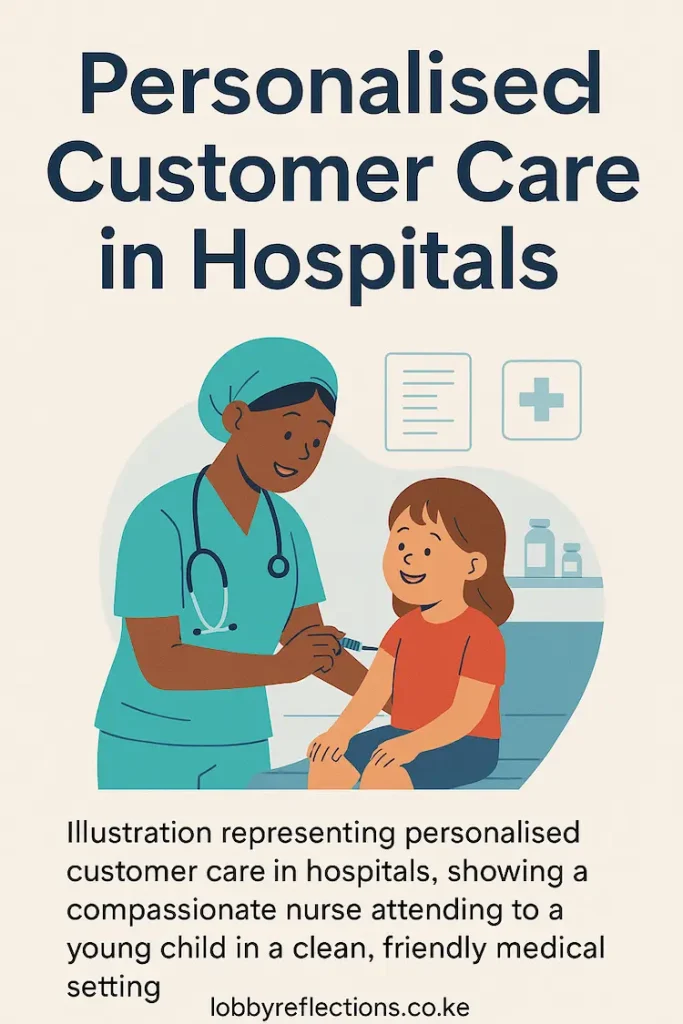
    “Illustration representing personalised customer care in hospitals, showing a compassionate nurse attending to a young child in a clean, friendly medical setting.”

    When your child is unwell, your heart carries the weight of the world. This past weekend, my three-year-old daughter fell sick, and I feared the worst—not just from her illness, but from the hospital experience itself. Many hospitals in Kenya don’t always have the best reputation for care and efficiency. But what I encountered at a small mission hospital near my workplace was nothing short of remarkable: a lesson in the power of personalised customer care in hospitals.


    The Power of Small Gestures in Personalised Customer Care in Hospitals

    From the moment I walked into the reception area, I knew something was different. The lady at the front desk, previously chatting with the security guard, immediately turned her full attention to me. She warmly welcomed us, took down my daughter’s details, and directed us next door to triage.

    The triage nurse took her temperature using a forehead thermometer and clipped a tiny device onto her finger to measure oxygen levels. We were then directed to consultation room 4. It was 9:00 a.m., and surprisingly, there was only one person ahead of us—a man with his young son.

    When it was our turn, a young lady doctor in a mask greeted us calmly. She asked about the symptoms, and when my daughter hesitated to stick out her tongue, she patiently unwrapped a wooden tongue depressor to gently help. Her demeanour was kind, never rushed, and it put us both at ease. This was personalised customer care in hospitals in action—something I rarely see.

    She suspected an infection and sent us to the lab for tests. The lab technician wasn’t in yet, so we had to wait. As we lingered in the corridor, my daughter wandered playfully. Just then, the lab lady appeared, smiling as she met us at the door.

    She didn’t dive into procedures. She smiled and engaged my daughter:

    • “What’s your name?”
    • “Which school do you go to?”

    All this while preparing for the blood test. With such warmth, she told my daughter, “Let’s remove these clothes so we can get a bad insect out of your hand.” My little girl agreed without protest. I helped remove her sweaters as the nurse tied a glove to locate a vein.

    With bated breath, I watched her insert the needle—and to my surprise, my daughter didn’t even flinch. The nurse joked, “Here goes the bad dudu!” and I replied, “Eeh, you are noma!” (meaning amazing). She laughed and said, “Si noma,” mimicking me playfully.

    It struck me deeply: these small gestures made the entire experience feel safe, calm, and human.


    Why Personalised Customer Care in Hospitals Matters

    Healthcare is about more than diagnoses, prescriptions, and lab results. It’s about people—about the emotional journey that patients and caregivers take the moment they step through hospital doors.

    Personalised customer care in hospitals matters because:

    1. It builds trust. When caregivers take time to listen, explain, and reassure, patients feel safe. Trust is the foundation of effective treatment.
    2. It reduces fear. For children, fear of hospitals can be worse than the illness itself. Personalised attention—smiles, jokes, gentle words—reduces anxiety.
    3. It improves cooperation. A calm patient is more cooperative, which makes medical procedures smoother and less traumatic.
    4. It encourages loyalty. Families who experience genuine care are more likely to return, recommend the hospital, and even forgive small shortcomings.

    According to the World Health Organization (WHO), effective patient-centered care not only improves satisfaction but also leads to better health outcomes. In other words, kindness and competence are inseparable.


    How Parents Can Advocate for Better Personalised Customer Care in Hospitals

    As parents, we are not powerless in shaping healthcare experiences. Here are practical ways to encourage and demand personalised customer care in hospitals:

    1. Observe the Atmosphere

    Pay attention to the staff’s attitude before you even check in. Are they approachable? Do they acknowledge patients, or are they buried in files and screens?

    2. Ask Questions

    Good caregivers never make you feel guilty for seeking clarity. If something is unclear, ask. Whether it’s about medication, a test, or a next step, your child’s well-being is worth speaking up for.

    3. Give Feedback

    Compliments encourage continued kindness. If a nurse or doctor goes the extra mile, say thank you. Better still, mention it in your feedback forms or even write to the hospital’s management. Positive reinforcement works.

    4. Stay Calm and Prepared

    Your own attitude influences the interaction. Arrive with essential documents (like your child’s clinic card), a list of symptoms, and any questions you might have. Calm parents help create a calm environment for the child.

    5. Support Healthcare Staff

    Remember, many healthcare workers are overstretched. A simple smile or acknowledgment of their effort can create a ripple effect. Human care goes both ways.


    Helpful Tools for Encouraging Better Home Care

    While hospital visits are sometimes unavoidable, every parent can benefit from a well-prepared home health kit. These tools empower you to monitor your child’s condition and offer relief before heading to the doctor.

    • ✅ Digital Thermometer for Kids
      Essential for tracking fever quickly and accurately, especially in toddlers.
    • ✅ Children’s First Aid Kit
      Perfect for treating small cuts, bruises, or minor injuries before seeking medical attention.
    • ✅ Fever Cooling Gel Pads
      Gentle, effective, and comforting—ideal for long nights when a fever just won’t break.

    👉 Parents, prepare ahead. See trusted family health essentials here »


    More Than a Diagnosis: It’s About Dignity

    What struck me most wasn’t just the treatment or the medicine. It was how I was made to feel—as a mother, as a caregiver, as a person. In a world where we often walk into hospitals expecting to be rushed, ignored, or dismissed, this experience was proof that personalised customer care in hospitals still exists—and it matters deeply.

    It reminded me of something I’ve written before: blending technology with human care is possible, but technology can never replace the warmth of kindness. (🟡 Related: Blending Technology and Human Care in Customer Service)


    Outbound Insight: Finding Hope in Hard Moments

    Illness—especially in children—can be overwhelming. Yet, small acts of kindness restore hope. The Samaritans offer a practical guide on staying hopeful during difficult times, with simple but powerful actions like taking a walk, pausing to breathe, and cherishing small moments of joy.
    👉 Read the guide here

    For parents, Dr. Robert Brooks also writes extensively about resilience—reminding us that strength is often built in small, daily choices to stay hopeful.

    Helpful Tools for Encouraging Better Home Care

    While hospital visits are sometimes unavoidable, every parent can benefit from a well-prepared home health kit. These tools empower you to monitor your child’s condition and offer relief before heading to the doctor.


    Final Thoughts: Choose Kindness, Demand Personalised Care

    Let’s celebrate and demand more of such experiences in our healthcare systems. Personalised customer care in hospitals should be the norm, not the exception. If you’ve experienced similar moments, don’t stay quiet—share them, compliment the staff, or even write to the hospital management. Gratitude encourages repetition.


    🟢 CTA

    💬 Have you experienced warm, human-centered care in a hospital? Share your story in the comments or tag me on LinkedIn or Facebook. Let’s shine a light on kindness where it’s least expected—because sometimes, the healing begins with how you’re treated, not just what you’re treated for.

    👉 Parents, prepare ahead. See trusted family health essentials here »


  • The Gift of Becoming

    Digital graphic with the phrase ‘The Gift of Becoming’ in bold, inspirational typography on a soft abstract background, symbolizing growth and transformation.”

    We live in a world that is constantly changing, and so are we. Every season in our lives carries within it an invitation to grow, evolve, and become. This morning, I was struck by a verse in Exodus 1:6-7. It says, “Then Joseph died, and all his brothers and all that generation. But the people of Israel were fruitful and increased greatly; they multiplied and grew exceedingly strong, so that the land was filled with them.”

    This verse is a powerful reminder that even after loss, growth is possible. The Israelites became numerous and eventually wealthy—not because they had control over their circumstances, but because God gave them the ability to become. This realization brings me to a profound truth: we are all in a state of becoming, and this journey is not something we accomplish on our own. It is a gift from God.


    The Gift of Becoming Starts with Gratitude

    When we recognize that everything we are and everything we have has been given to us, gratitude becomes the natural response. It shifts our perspective from entitlement to thanksgiving. Even our struggles take on new meaning when we view life through the lens of gratitude.

    Recently, I saw a mother on TikTok caring for a child with cerebral palsy. She was honest—confessing that she was exhausted. In the comments, someone reminded her, “Take heart, there’s someone who wishes they had a child.” Life is full of unseen burdens, yet every life is still a gift.

    We may not choose our challenges, but we can choose how we view them. And in choosing gratitude, we make space for God to strengthen us in our becoming.


    God Gives the Ability to Make Wealth

    Deuteronomy 8:18 says, “But remember the Lord your God, for it is He who gives you the ability to produce wealth.” This verse is more than just a financial statement; it’s a declaration of dependence. All our gifts, talents, and opportunities come from Him.

    This challenges the mindset of self-sufficiency. We often believe we earn everything we have through hustle alone. While effort is important, the power to become anything worthwhile still originates with God. That’s why our growth—personal, spiritual, or financial—should lead to praise, not pride.

    If you’re building a business, growing your skills, or simply trying to survive a hard season, know this: you’re not doing it alone. God is at work in your becoming.


    Pain Doesn’t Last Forever

    The story of Jabez in 1 Chronicles 4:10 shows us what’s possible when we dare to ask God for more. Jabez was born in pain, but he didn’t let that define him. He prayed, “Oh that You would bless me and enlarge my territory! Let Your hand be with me, and keep me from harm so that I will be free from pain.” And God granted his request.

    What’s stopping you from praying like Jabez?

    So many times, God calls us to cry out to Him. Psalm 50:15 says, “Call upon Me in the day of trouble; I will deliver you, and you shall glorify Me.” Pain may be part of our process, but it is never the end. As we grow, God prunes us—but never abandons us.


    Enlarge Your Tent – Dare to Dream Big

    Isaiah 54:2 tells us: “Enlarge the place of your tent, stretch your tent curtains wide, do not hold back; lengthen your cords, strengthen your stakes.”

    This is not just an instruction—it’s an invitation to live boldly. To stretch your faith. To prepare for more, even when you don’t see it yet. Sometimes, the only thing standing between you and growth is your own fear.

    The journey of becoming requires vision. It demands that you trust God, even when the outcome isn’t clear. Whether it’s expanding your hustle, healing your heart, or changing your mindset—becoming means believing that more is possible.


    Amazon Finds to Encourage Your Growth

    As you journey through your own becoming, here are some Amazon picks to inspire and equip you:


    Internal Reflections

    For more reflections like this, read:


    Outbound Inspiration

    Explore more on how prayer can support you through hardship:
    How to Stay Strong in Trials – Guideposts.org: A short but powerful reflection on relying on prayer and small spiritual practices to retain hope and resilience in difficult seasons guideposts.org+3guideposts.org+3guideposts.org+3.


    Closing Thoughts

    The gift of becoming is exactly that—a gift. We cannot earn it, predict it, or speed it up. But we can choose to embrace it with thanksgiving. As we grow, stumble, and rise again, may we always remember that we are not alone. God is writing our story, one chapter at a time.

    So whatever you’re facing—start again, stretch your tent, and trust the One who gives the increase.


    📍 Connect with me:

  • AI-Powered Customer Support in 2025

    "AI-powered customer support agent assisting clients via chat interface in a modern call center"

    In 2025, customer care is no longer about long queues, endless ringing lines, or hoping someone will answer your email. Today, AI-powered customer support is transforming how businesses operate—especially in Kenya where digital adoption is growing fast. With AI tools now available even to small and mid-sized enterprises, smart companies are saving costs, serving better, and increasing their revenue.

    What Is AI-Powered Customer Support?

    AI-powered customer support refers to the use of artificial intelligence to handle, assist, or streamline customer service tasks. These include chatbots, virtual assistants, auto-responses, self-service tools, and automated workflows.

    Customers today expect fast, personalized, and always-on service. Businesses that meet this expectation are winning loyalty—and income.

    Why AI in Customer Care Is Booming in 2025

    • Every home now has internet access
    • Smartphone penetration is at an all-time high
    • Social media is becoming a support platform
    • AI tools are more accessible and affordable than ever

    According to a recent McKinsey & Company report, more businesses are seeing clear financial gains from integrating generative AI. From responding faster to helping upsell products, AI isn’t just futuristic—it’s financially smart.


    Income Benefits of AI-Powered Customer Support

    Reduced Costs and 24/7 Availability

    One major benefit is reduced operational costs. AI-powered chatbots and virtual assistants handle repetitive questions 24/7 without fatigue or salaries. This allows businesses to serve customers even at midnight without extra staff.

    🛒 Affiliate Pick: Get an affordable AI chatbot tool on Amazon to power your small business.

    Personalized Recommendations That Increase Sales

    AI tools can analyze previous purchases and browsing behavior to suggest relevant products. These targeted suggestions drive higher conversions.

    💼 Affiliate Pick: Explore AI-driven CRM tools on Amazon that work for small businesses and startups.

    Loyalty Through Fast and Smart Service

    Customer frustration often comes from delays. When queries are resolved quickly and with precision, customer satisfaction soars. Happy customers tend to return and refer others, creating a chain of income generation.


    Real Experience: How a Chatbox Helped Me Launch My Blog

    Let me share a personal story that showed me the power of AI-powered customer support.

    When I decided to start my blog, Lobby Reflections, I had no clue where to buy a domain. So, I Googled “where to buy a blog domain in Kenya” and landed on a local web hosting company’s site. Right there on the homepage was a chatbox asking if I needed help.

    I typed in, “I want to buy a domain.”
    Within seconds, the chatbot collected basic details, then redirected me to a WhatsApp agent who answered all my questions—no call center, no emails, just instant service.

    Since then, that same agent has helped me with:

    • Renewing my monthly hosting
    • Resolving SSL certificate issues
    • Troubleshooting blog system errors

    And it all started with a simple automated AI chat popup. That seamless transition from AI to human support is the model modern businesses should aim for.


    How Kenyan Businesses Are Embracing AI

    Across Kenya, businesses are using AI to thrive. From fintech firms automating customer interactions to local e-commerce brands integrating chatbots on WhatsApp, the wave is strong.

    Nation Media Group uses automated tools for notifications and live updates, while some Nairobi-based microfinance apps have integrated AI into loan queries and repayment reminders.

    👉 Want to see how tech blends with human care? Read:
    Blending Technology and Human Care


    Why Cybersecurity and Compliance Matter

    We’ve seen worrying headlines. One of Kenya’s top telecoms was recently accused of abetting surveillance and abductions. Even if such allegations are denied, perceptions of breach can ruin trust.

    Protecting Customer Data with AI

    AI-powered customer support systems often handle sensitive data. That’s why investing in cybersecurity is no longer optional. Companies must also train employees on AI best practices and ensure compliance with Kenyan data regulations like the Data Protection Act of 2019.

    AI can do a lot—but ethical use, transparency, and accountability still rest on human decisions.


    Empowering Customers with Self-Service

    Another key trend in 2025 is giving power back to the customer. Today’s clients want to do things at their own pace—without calling a call center.

    • Interactive FAQ sections
    • How-to video libraries
    • Automated account access
    • Smart ticketing systems at banks and service centers

    These systems allow customers to select the type of service they need before joining a queue, speeding up processes and boosting satisfaction.


    Social Media as a Service Channel

    Just yesterday, a friend told me she wanted to buy exotic spices. Instead of visiting a store, she opened TikTok, messaged a seller, and had the spices delivered within hours.

    This is what customer care on social media looks like. It’s real, fast, and personal.

    Whether it’s TikTok, WhatsApp, or Instagram DMs, people expect brands to be present and responsive. If your business isn’t there, you’re invisible.


    📊 Case Study: Nairobi Boutique Using WhatsApp Bot for Sales

    Client: Small online fashion boutique
    Tool: Free WhatsApp Business chatbot
    Strategy: Added auto-replies for common questions like:

    • “Do you deliver?”
    • “What’s the price of this dress?”
    • “How do I pay?”

    Results in 1 Month:

    • 📉 Missed DM queries reduced by 60%
    • ⏱️ Response time dropped from 2 hours to under 3 minutes
    • 💸 Revenue increased by 30%
    • 💬 Customer feedback: “Your responses are so quick—I love it!”

    ❓ Frequently Asked Questions (FAQs)

    Q1: What is AI-powered customer support?
    A: It’s the use of artificial intelligence tools like chatbots, auto-replies, or virtual agents to serve customers faster and more efficiently—often 24/7.

    Q2: Can small Kenyan businesses afford AI tools?
    A: Absolutely. Tools like Tidio, ManyChat, and WhatsApp Business bots offer free and budget-friendly options perfect for local SMEs.

    Q3: Will AI replace human agents?
    A: Not really. AI handles routine tasks, freeing human staff to focus on emotional, complex, or high-value interactions. The best service blends both.

    Q4: Is it safe to use AI for customer data?
    A: Yes, but only if businesses invest in secure systems and follow data privacy regulations like Kenya’s Data Protection Act.


    Call to Action: Upgrade Your Customer Support with AI Today

    AI-powered customer support isn’t just a trend—it’s the new standard. Whether you’re running a small business, managing a side hustle, or scaling your brand, now is the time to integrate smart, secure, and scalable customer care solutions.

    💡 Don’t get left behind.

    👉 Browse affordable AI customer support tools to serve better, earn more, and stay ahead of the curve:
    Shop Now on Amazon

    🕒 Serve customers 24/7
    🔐 Stay compliant and secure
    📈 Boost loyalty and income


    #AIinCustomerService #SmartSupport2025 #KenyanBusinesses #DigitalCustomerCare #AIAutomation #CustomerLoyalty #TechForBusiness #FutureOfSupport #LobbyReflections